The announced scope
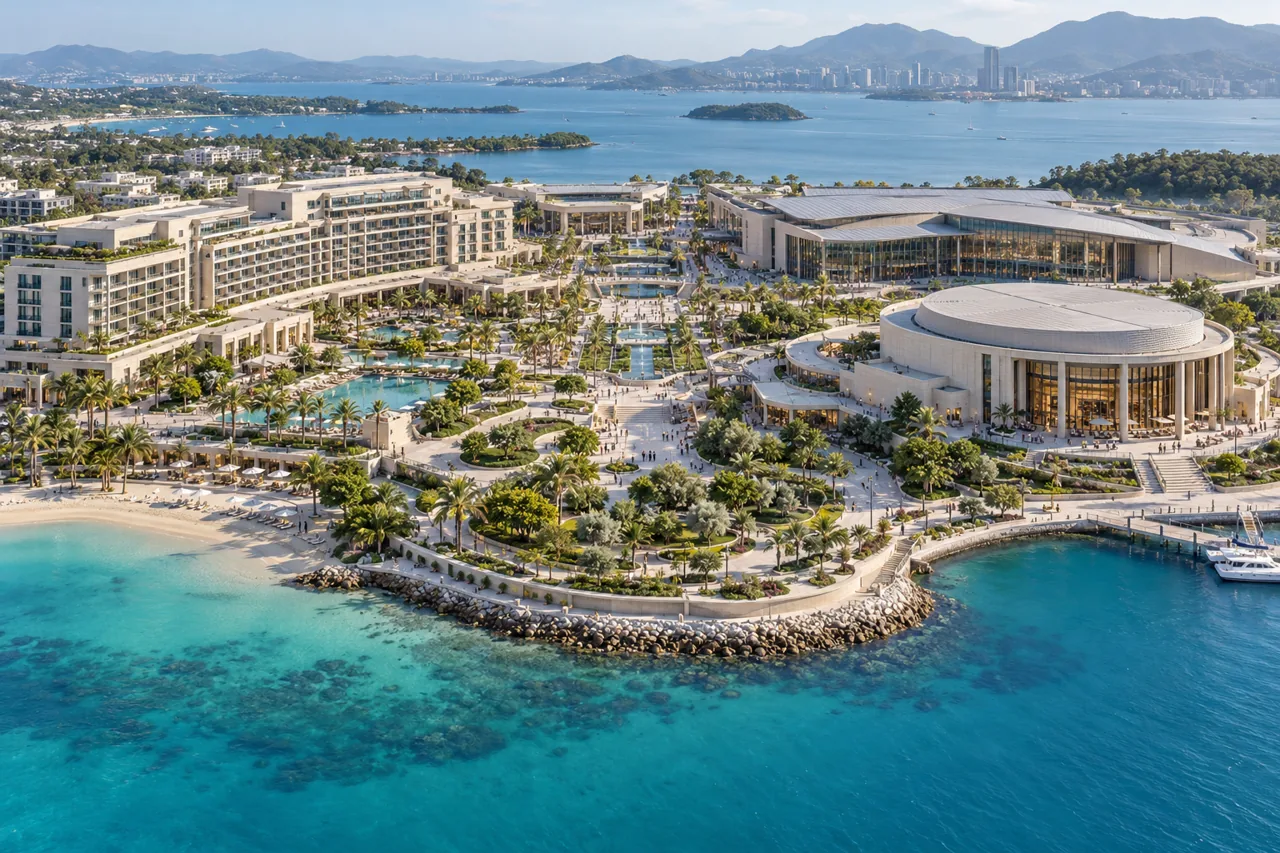
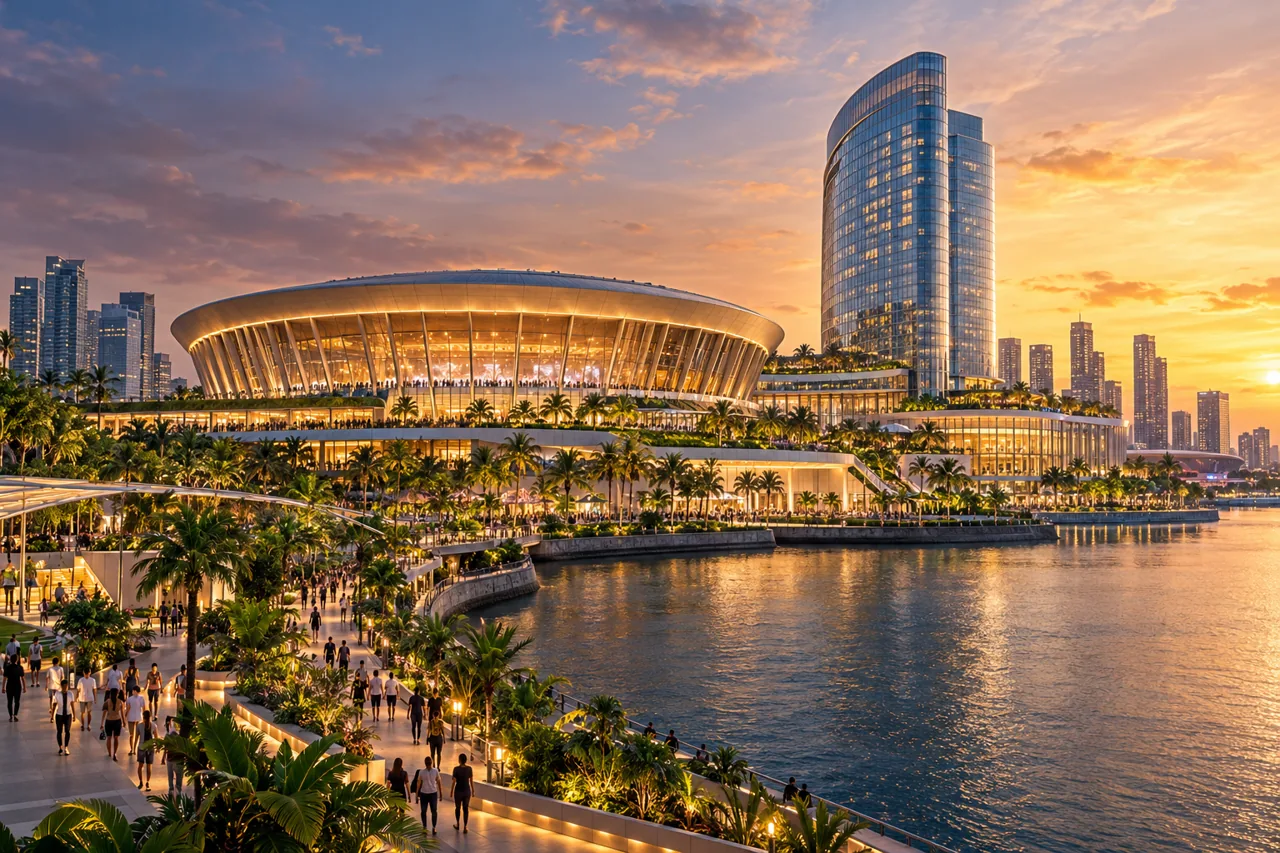
Sands' July 2025 announcement described a new Singapore development with a 570-suite hotel, approximately 200,000 square feet of meeting space and a 15,000-seat arena. The company identified Safdie Architects as the designer. These figures describe the announced plan, rather than completed facilities.
Several businesses under one roof
Our reading is that the project should be assessed as several connected businesses. Accommodation, conventions and live entertainment have different demand patterns. An arena can bring visitors at a particular hour, while a conference may support room demand over several days. How those activities fit together is an important part of the operating model.
This also changes the useful questions for reporting. Who will programme events? How will attendees reach the site? What happens to surrounding public spaces during large gatherings? Those issues can have a more direct effect on the wider city than the visual height of a new tower.
Planning numbers need dates
Large projects are often described through an initial announcement, later financing material and periodic construction updates. Each snapshot can use a different scope or reporting basis. This article uses the 2025 announcement for the stated facilities and does not infer a current completion schedule from it.
The same caution applies to economic impact. A forecast of jobs, tourism spending or procurement is not the same as a measured result after opening. A credible comparison identifies who produced the estimate and what assumptions it uses.
What this tells Australian readers
The Singapore example is useful for understanding the relationship between hospitality and major-event infrastructure. It is not a template that can simply be transferred into a different planning and regulatory system. The accompanying editorial illustration relates to the wider destination model.
Sources & further reading
Sources checked on 20 October 2026. Company statements describe the issuer’s position at the stated date. Analysis reflects our editorial interpretation and does not establish independent performance results.
See something that needs correcting?
Send a source-based correction ↗